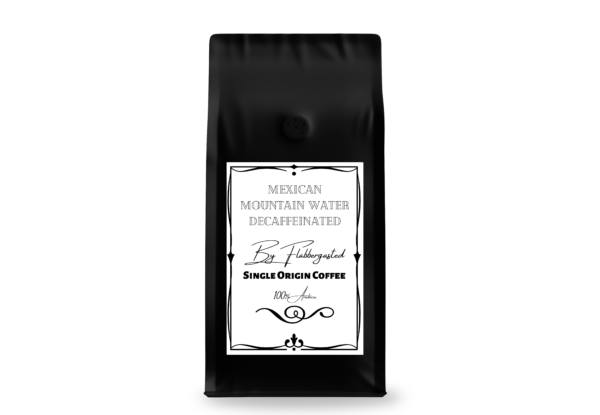
The first time I understood coffee can taste like wild berries and dark honey, not just something brownish and hot, was on a quiet Tuesday with a bag of Ethiopian beans that had actually arrived on my front door two days after roast. The messenger had actually scuffed the edge of package. The coffee, still degassing, hissed gently when I opened the shutoff. That mug destroyed mediocrity for me. If you have actually had that minute also, you recognize why getting coffee beans delivered is more than convenience. It is preservation. It is choice. It is calling in a taste arc that comes to a head in a narrow home window, then drops away if left as well long on a shelf.
This is a map for coffee drinkers who desire their beans to appear at the door, properly fresh, with character intact. If you chase after subtlety and you want to pick up from a few missed out on shots and over-extracted early mornings, read on.
Freshness isn't a buzzword, it's chemistry
Roasted coffee is unpredictable. Fragrant substances, co2, and oils evolve swiftly right after roast. For most specialized beans, taste begins to find together between day three and day ten. For dense, high-altitude washed coffees, I like them around day 5 to twelve. All-natural process and anaerobic great deals occasionally require a touch longer to relax, specifically for coffee. Past day twenty-one, most coffees lose their top notes. They can still be positive, simply not thrilling.
Coffee beans shipment solutions that roast to order and ship within 24 to two days allow you catch that home window constantly. Grocery coffee rarely does. By the time it hits a rack, rests under fluorescent lights, and discovers its way home, the flower is tired. With coffee beans delivered on a tight roast-to-ship cycle, you manage the timeline instead of the calendar controlling you.
A practical detail that matters greater than it sounds: dictated delivery day versus variable send off. If you run a single mill in your home and do not desire half your container stagnant, pick services that allow you choose specific delivery cadence and quantity. I keep 2 schedules: a 250 gram filter-forward bag every 10 days, and a 500 gram espresso roast every 2 week. That keeps me in the wonderful spot without a freezer crammed with coffee I'll forget.
The sourcing questions that separate good from great
There are a thousand roasters claiming microlots, solitary beginning pureness, and moral sourcing. Some are outstanding. Others rent the language. Ask for specifics. Elevation, cultivar, handling technique, harvest month, and dry mill or exporter are not trivia. They forewarn taste and help you adjust expectations.
Small real-world instance: a washed Bourbon from Huehuetenango at 1,700 to 1,900 meters will commonly be structured, with citric level of acidity and sugarcane sweetness. If I see 87 to 88 factor scoring notes with lime enthusiasm and almond, I anticipate it to beam as pour-over at 1:16 and 92 Celsius, and to require a somewhat better work to pull a timeless 1:2 espresso at 28 to 32 secs without turning thin. If a roaster just provides "Guatemala, cleaned," I can still get it, however I know I'm gambling.
Good delivery programs share roast dates, not simply best-by. They note the farm or participating, not just the nation. They inform you logistics: whole lot size, importer, whether the coffee delivered in GrainPro, even the crop year. With that said information, you can adjust. For fresh-crop Ethiopia naturally refined coffees, anticipate florals to be timid in the first week, after that take off in week 2 to 3. For older-crop Brazils utilized in espresso blends, you'll get uniformity and body, less fireworks.
How delivery forms your brewing routine
You will make differently when beans get to foreseeable peaks. It makes you bolder. You can buy varietal diversity and train your palate, as opposed to settling for a perpetual medium roast that "works." With distribution, I rotate between 3 profiles within a month: one fruit-forward African great deal for filter, one comfort-drink Central or Brazil for milk drinks, and one experimental curve for fun, like a honey process from Costa Rica or a prolonged fermentation from Colombia. The joy hinges on repeating with variant, learning exactly how your grinder responds and exactly how your pot temperature level impacts clarity.
Here is a short, functional structure for calling in newly provided beans without wasting half the bag:
- On day three to 5 after roast, begin with filter mixtures at a conventional ratio, claim 1:16, 92 to 94 Celsius water. With espresso, draw a 1:2 proportion chance at 9 bars, 28 to 32 secs as a standard. Preference, make note, readjust work only if extraction preferences under or over. Between day six and twelve, tighten your dish. For a fragile washed Ethiopian, attempt a bloom of 45 seconds with a slightly coarser work to encourage clearness. For espresso, examination a 1:2.2 ratio for more sweetness if the shot really feels dense. After day fourteen, push mixture temps up a degree or more to go after aromatics. For coffee, consider longer proportions or slightly higher accept keep the cup lively.
Notice the intent. Distribution allows preparation. You brew through a bean's life rather than stumbling right into it.
The trade-offs between registration and on-demand orders
The best coffee beans delivery programs incorporate predictability with adaptability, yet no design is excellent. Memberships give you a lower cost per bag and regularity. They likewise take the chance of overstock if you take a trip or transform your regimen. On-demand orders offer you manage over origin and timing, but warm whole lots market out quickly, and you'll pay even more shipping per bag.
For households that consume a couple of cups daily, a 250 gram bag each week or a 500 gram bag every 2 weeks fits a fresh usage contour. That's about 20 to 30 cups for the smaller bag if you brew at 15 grams per mug, or 30 to 40 mugs for the bigger. If you do espresso solely, matter shots: a 500 gram bag at 18 grams per basket returns concerning 27 to 28 shots, ample for 2 individuals running a couple of cappuccinos each day for a week.
I suggest a hybrid method: one membership secured to your base usage, and 1 or 2 on-demand splurges per month when something appealing declines. The most effective coffee beans delivery experiences are the ones that satisfy your rhythm rather than requiring it.
Roast accounts and exactly how they endure the journey
Shipping is kinder to some roasts than others. Light roasts are more vulnerable in the nose, yet they typically taste much better as they settle, specifically in filter. Tool roasts take a trip well and will be forgiving across mixture approaches. Dark roasts carry oil to the surface faster. They scent wonderful out of the bag, yet can stale quicker when opened since surface area oils oxidize readily.
If you favor lighter roasts, prioritize much faster shipping and secure your beans from heat. If your carrier has a tendency to leave packages in sunlight, utilize a parcel locker or specify a shaded drop-off. For espresso, if a roaster is understood for ultra-light accounts, provide those beans time. Fresh-off-the-roaster light espresso can direct or run sour if you don't let carbon dioxide loosen up. Sincere roasters will tell you when a coffee "opens." Trust them, after that examination for yourself.
Storability and the fridge freezer question
There is no shame in cold. Done effectively, cold extends peak flavor with minimal penalty. The secret is portioning. Divide newly provided beans right into single-brew packages using airtight bags or little glass jars with silicone seals. Freeze instantly after arrival, ideally within the first week from roast. When needed, draw a package and work while frozen, or allow it warm secured to stay clear of condensation. I see almost no sensory drop in the initial six weeks iced up, and just a moderate flattening after a few months. Do not refreeze thawed out beans. And do not save in the fridge. Fridges are humid and filled with smells that coffee absorbs like a sponge.
If you prevent cold, keep opened up bags in opaque containers with one-way shutoffs, in a cool, dry cabinet. Complete an opened up bag within 10 to 14 days. Oxygen and light are taste thieves. Distribution beams when your buying tempo matches that timeline, which is why dialed-in timetables matter.
Curated picks: matching palates with origins
No two tastes buds hunger for the very same mug. I consume alcohol Ethiopian naturals on quiet mornings because I appreciate their perfume and fruit. On work-heavy days, I desire a Guatemalan or Brazilian part for constant sweet taste and chocolate notes. Below is exactly how I tend to match choices with reliable origin profiles and processing methods without getting doctrinaire.
If you chase after florals and high-tone fruit, Ethiopia is your playground. Cleaned Yirgacheffe and Guji great deals deliver jasmine, bergamot, lemon enthusiasm, often peach. Naturals from Sidama and Guji skew toward blueberry, strawberry, and grape candy when dialed in. Anticipate lighter bodies and quick level of acidity. Brew with medium-coarse grind and hotter water, after that readjust grind to bring sweet taste forward.
If you such as caramel, cacao, and convenience with a polished side, seek to Guatemala, Colombia, and Brazil. Guatemalan washed coffees from Huehuetenango or Antigua offer framework and sugarcane sweet taste with almond or nougat. Colombian cleaned or honey-processed lots blend orange and panela, commonly flexible throughout filter and espresso. Brazilian naturals offer hazelnut, milk delicious chocolate, and reduced level of acidity, excellent in milk drinks. For coffee, these origins support blends and decrease puck tantrums.
If you want old-world style with a spin, Kenya and Rwanda supply deepness and acidity that play magnificently with cautious extraction. Kenya AA washed coffees are a study in blackcurrant, tomato leaf, and sharp sweetness that breaks to interest with accurate grind. Rwandan coffees often bring tea-like quality, red apple, and honey, with an undercurrent https://rentry.co/44q7whxt of spice.
If you wonder concerning handling and fermentation, Costa Rica's honey procedures and Colombia's prolonged fermentations are the frontier. They run the range from jammy to winey. They also misbehave if you push as well warm or also great. Respect them, and they provide you intricate aromatics that remain long after the mug cools.
How to choose a roaster for delivery
I have actually discovered to evaluate a roaster's distribution physical fitness in 5 minutes. Transparent roasters release roast schedules, ship days, and roast days. They explain their desired mixture technique for each coffee, often labeling "filter," "omni," or "espresso." They answer e-mails. They permit grind dimension suggestions without presuming or concealing behind marketing fluff.
If a roaster claims "best coffee beans delivery" however provides only unclear sampling notes like "bold and smooth," walk thoroughly. If they share sourcing relationships, also much better. Long-lasting buying from the very same producers yields uniformity you can rely on, since both sides discover each other's choices. In a shipment world, that reliability matters greater than hype.
Watch their seasonal tempo. A roaster that updates their lineup with fresh-crop Central Americans in late spring and very early summertime, East Africans mid to late summer season, and South Americans in late fall to winter is adhering to harvest calendars. If you see brand-new Ethiopia naturals hitting in January, ask whether they are truly new crop or still last season's. There is nothing incorrect with older plant if it's saved well, but honesty matters.
Espresso at home: dialing with provided beans
Espresso magnifies problems and benefits accuracy. Delivery resolves one piece: freshness with uniformity. The remainder gets on you. If your shots swing hugely bag to bag, change one variable at once, not five.
With fruity African beans, begin with lower doses and longer ratios. An 18 gram dosage to 40 grams out will certainly frequently display fruit much better than a syrupy 36 gram shot. Run 93 Celsius water to maintain acidity crisp however not blaring. If you get sourness with a hollow center, coarsen a notch and lengthen the shot instead of chasing after heat.
With chocolate-forward Central or Brazilian coffees, maintain a timeless 1:2 proportion and 92 to 93 Celsius water. If bitterness slips in, lower your brew temperature level by a level, keep the grind constant, and see if sugars increase. Tamping stress is lesser than circulation. Use an easy WDT device to damage globs and degree the bed before tamping.

Freshly delivered beans can be rowdy for the initial 48 to 72 hours in coffee. Carbon dioxide creates funneling and quick, foamy extractions. Let them remainder. I've lost way too many grams stubbornly pulling shots ahead of time due to the fact that I could not wait. Perseverance defeats bravado.
Filter brewing: the daily joy ride
Delivery brings the deluxe of developing lighter roasts at their optimal aromatics. A V60 with a 2 to 3 pour protocol, 92 to 94 Celsius, and a medium-coarse grind will certainly display clearness in washed coffees. For naturals, I in some cases drop the temperature level to 91 to tame energetic fruit, especially with thick beans. The crucial habit is to taste at several temperature levels. Several coffees show their ideal when they cool, a useful check versus over-extraction.
Consistency originates from water. If your water preferences chalky or dull, your coffee will be flat. Go for about 70 to 120 ppm total dissolved solids with about 30 to 50 ppm alkalinity. If that sentence seemed like lab class, utilize a relied on off-the-shelf mineral package for coffee. With distribution bringing you high-quality beans, it's a shame to sink them in extreme faucet water. The gap in taste before and after water renovation is glaring, specifically with delicate origins.
Logistics: delivering rate, packaging, and what to avoid
I have actually lost great coffee to warm. Summer season shipments that ride in a vehicle for 8 hours can roast in the bag. Beans are difficult, but prolonged warmth dulls aromatics. Select carriers with quick regional courses, or pay for faster alternatives during warm front. Demand compostable liners or boxes when available, however not at the expenditure of an appropriate seal. Eco-friendly does not have to suggest leaky.
Vacuum-sealed bricks look neat however can crush beans and increase oil movement when exposed to warm. I like typical one-way shutoff bags with a firm seal. If you reside in a backwoods with longer transit times, plan for it by getting a little earlier prior to weekend breaks. The majority of roasters pause shipping Friday to avoid warehousing over the weekend break. If your bundle ships Thursday and rests, phone call and ask them to bump to Monday. Great groups accommodate.
Budget without compromising flavor
Top-tier solitary beginnings can get to costs rates, especially for tiny microlots scored 88 plus. If you consume alcohol a great deal of coffee, that hurts. You can consume alcohol discerningly without going damaged by rotating in between a premium bag and a residence solitary origin. Blends are not an unclean word, particularly for espresso. A well-built blend with a Brazil base and a seasonal Ethiopian part can be spectacular, and it will certainly set you back less.
Another technique is to acquire 1 kg bags and split with a good friend. Freshness is still convenient if you portion and freeze. The per gram cost drops, delivering settles, and you gain variety if you coordinate orders.
Red flags to watch with Coffee Beans Delivery
There are a few patterns that consistently disappoint. Beware with suppliers who hide roast days behind codes or listing best-by windows much longer than three months. Avoid solutions that grind beans prior to delivering unless you must. Pre-ground coffee stales quickly, losing unstable aromatics within mins. If you require pre-ground for now, ask the roaster to grind a little coarser and make with a tighter ratio to make up for lost aromatics.
Another warning is a one-size-fits-all roast with dramatic sampling notes that never ever appear in the mug. If every bag asserts delicious chocolate, caramel, and berries, and all you taste is char or common roast, proceed. Distribution should boost honesty since the decisive moment lands in your kitchen.
When to chase the limited launch, and when to skip it
Scarcity is exciting. A small 20 bag great deal with anaerobic processing and a 90 factor rating offers quickly for a factor. If you take pleasure in testing and have breathing room in your budget plan, claim yes. Discover what extended fermentation does in your gear. You could find a new preferred account. At the very same time, restricted does not always indicate better, and exotic processing introduces variability bag to bag. If consistency issues this month, choose a reputable washed coffee from an area you like. Place the restricted lot on your calendar for a quieter week.
Pulling all of it with each other: choosing the very best Coffee Beans Delivery for you
The best coffee beans delivery, for me, is the one that strikes a simple trifecta. First, quality as a system, not a crash. Roast-to-ship home windows under two days, clear schedules, steady roast days. Second, clear sourcing that reads like a story you might trace on a map. Ranch name, altitude, handling, plant year, importer, tasting notes that land. Third, receptive advice. When you email and claim your Ethiopian espresso is spritzy and channeling, they respond with a remainder suggestion and a grind tweak, not a scripted FAQ.
If a vendor nails those, position your bet. Establish a cadence that matches your actual usage and stick with it for 2 roast cycles. Keep in mind that serve 7 days later on: brew technique, dose, yield, time, temperature level, grind setting, and a two-word taste impact. "Apricot tidy," "brownish sugar deluxe," "walnut drying out." When an additional bag arrives, you will certainly understand where to begin.
A short readiness list for your following delivery
- Choose prompt delivery. Aim for shipment between day two and day 6 after roast. Match origin to function. Fruit-forward for filter play, structure-forward for coffee reliability. Prepare storage. Section or have airtight containers all set, and freeze excess immediately. Check water. Make use of a coffee-friendly mineral account to unlock aromatics. Plan mixture windows. Coffee rest for 4 to 7 days, filter from day 3 onward.
The quiet excitement of a well-timed bag
An excellent distribution removes friction without removing love. The buzzer rings, you slice the tape, and air billed with carbon dioxide and fruit rolls out of the bag. Your grinder sings. The kettle clicks. The first pour puffs the grounds and flowers the cooking area. If you have adjusted beginning, handling, and brew approach to your preference, that moment comes to be a habit, not a pleased accident.
Coffee sits at the intersection of farming, craft, and logistics. Sourcing decisions made on a hill months ago meet a courier on your street. Picking just how you obtain your coffee, and from whom, is a vote for the mug you desire and the people who make it feasible. When you get coffee beans delivered with intention, you taste greater than beans. You taste timing, care, and the silent skills of a chain that held with each other just enough time to hand you something fleeting and wonderful.